The Method
How We
Program.
Your training should prepare you for your goals, not compete with them. Everything below is how we turn that idea into an actual week of training.
01. Movement Based Programming
We Don't Start With Body Parts.
The first question isn't "what body part are we training today?" It's "what does this person need to be able to do, and how do we build that?"
So programs are organized around foundational patterns (squat, hinge, push, pull, carry, rotation, locomotion and unilateral work) and the physical qualities layered on top of them.
This doesn't make muscle unimportant. It makes the program organized around you.
02. Physical Qualities
What We Build.
Strength
The base everything else is built on. More strength raises the ceiling on power, speed, durability and how much training you can absorb.
Hypertrophy
Muscle matters. We build it through movement patterns and sensible volume rather than dividing the week into body parts by default.
Power
Producing force quickly. Jumps, throws, and loaded speed work keep you feeling fast rather than only heavy.
Speed
Trained deliberately, at real intensities, with real rest, not tacked onto the end of a session when you're already exhausted.
Conditioning
Built to support performance, not to punish. Aerobic base, work capacity and repeatability each have their place.
Movement Quality
Positions, control and range that let you keep training. Not a warm-up afterthought; part of the plan.
03. Training Frequency
The Structure Serves The Goal.
There is no universally superior training split. How often you can train changes what structure makes sense. Someone training three days a week is usually better served by full body training. Someone training five days a week may use something like:
- LowerDay 1
- UpperDay 2
- ConditioningDay 3
- LowerDay 4
- UpperDay 5
The program should fit your life rather than requiring your life to revolve around the program.
Progression
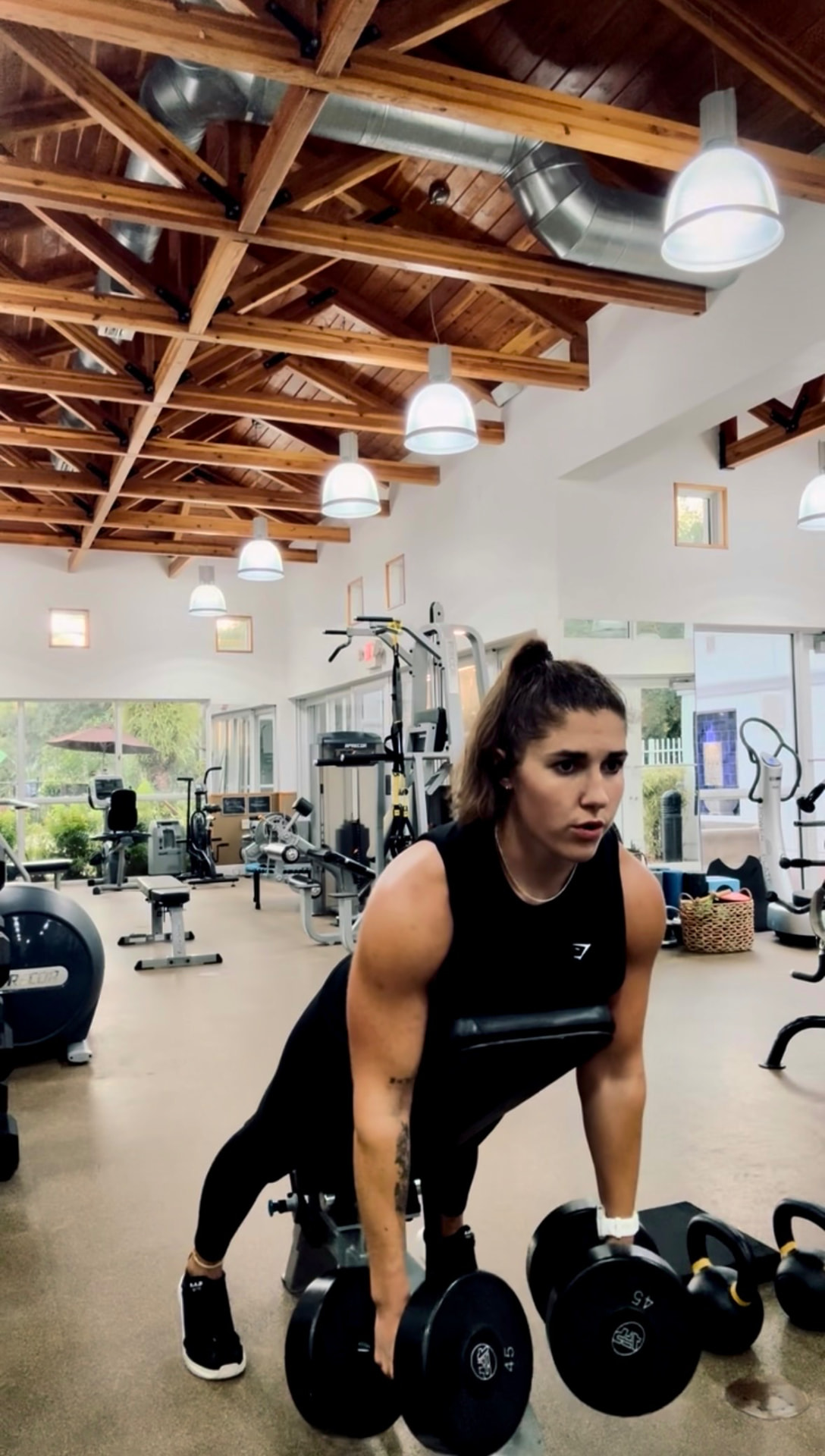
Training gets harder in a planned way (load, quality, density or complexity) so improvement is deliberate rather than accidental.
Recovery
Hard work only counts if you can absorb it. Volume, intensity and hard days are placed with the rest of your week in mind.
Individual Goals
The same philosophy can produce very different programs. What you're training for decides what gets emphasised.
Your training should prepare you for your goals.